Donburi (丼) is the Japanese rice bowl. In short, cooks top steamed short-grain rice with meat, seafood, egg, or vegetables in a savoury sauce. They then serve it in a deep bowl. Indeed, it is one of Japan’s most beloved everyday dishes. Moreover, it forms a core expression of Japanese home cooking. This guide covers the main types of donburi Japanese rice bowl dishes. In addition, it explains their toppings, preparation, and origins.
What Is the Donburi Japanese Rice Bowl?
The word donburi (丼) refers both to the deep bowl and to the dish itself. The character 丼 depicts a bowl with something dropped into it — a visual representation of the dish’s defining characteristic: toppings placed directly over a bed of steamed rice.
Donburi is a staple of Japanese home cooking and restaurant culture, found everywhere from dedicated donburi restaurants (donburiya) to train station stalls and casual lunch counters across Japan. The dish is valued for its simplicity, speed, and the way it showcases a single premium ingredient — whether braised beef, crispy katsu, or pristine fresh seafood — in a satisfying, complete meal.
At MIYU Omakase Singapore, we work with premium Japanese seasonal ingredients — the same quality that defines our omakase dinner. Understanding the donburi tradition gives insight into how Japan prizes the combination of perfectly cooked rice and the finest available toppings — a philosophy that runs through all of Japanese cuisine, including the omakase tradition.
Types of Donburi Japanese Rice Bowl
Kaisendon (海鮮丼) — Fresh Seafood Rice Bowl
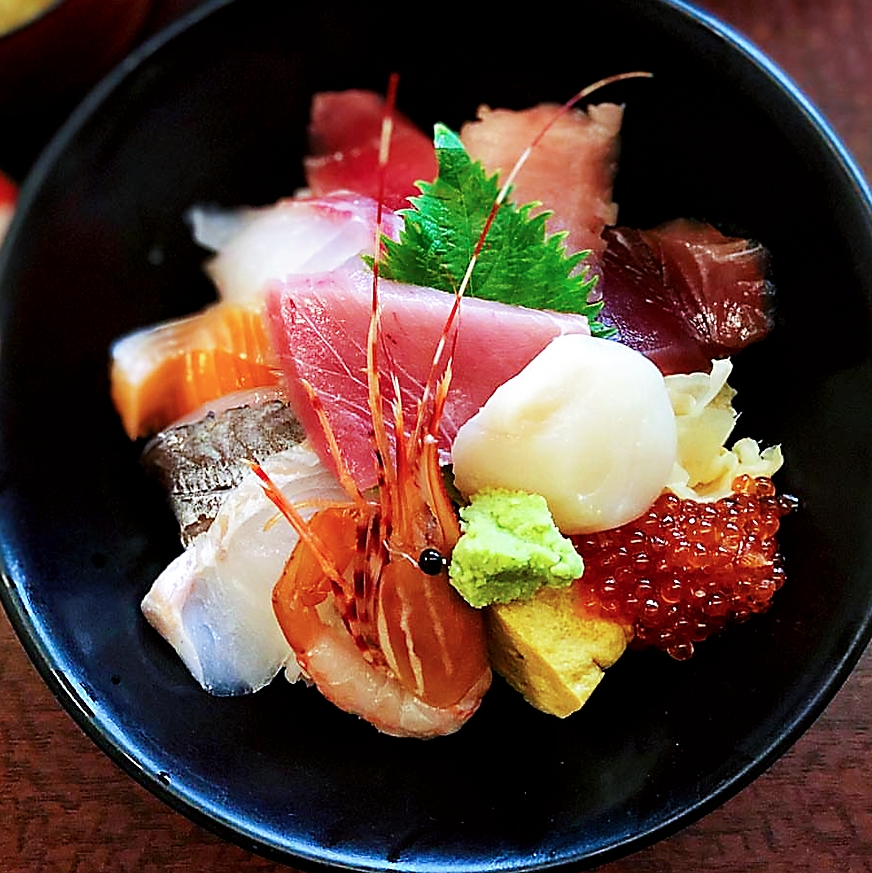
Kaisendon is among the most celebrated donburi varieties — a bowl of seasoned rice topped with an assortment of fresh, raw seafood. The name combines kaisen (seafood) and don (bowl). Premium kaisendon features the same fish and shellfish that appear at sushi counters: tuna (maguro), salmon (sake), yellowtail (hamachi), squid (ika), sea urchin (uni), and salmon roe (ikura).
The quality of kaisendon depends entirely on the freshness of the seafood. In Japan’s finest kaisendon restaurants, chefs source the fish that morning. They then place it over lightly vinegared rice. Notably, they handle each piece with the same care as sushi. As a result, kaisendon reflects the Japanese reverence for the sea and the season.
Unadon (鰻丼) — Grilled Eel Rice Bowl
Unadon is one of Japan’s most prestigious donburi varieties — steamed rice topped with kabayaki-style unagi (freshwater eel), grilled over charcoal and glazed with a sweet, deep tare sauce. It is a dish with centuries of history and a dedicated following.
Unagi is traditionally a summer ingredient in Japan. People eat it on doyo no ushi no hi (the midsummer day of the ox) for its fortifying qualities. For the best result, chefs grill unagi in the Kanto style. First, they steam it until tender. Then they grill it until the skin turns glossy and the flesh stays light. Overall, unadon ranks among the most iconic rice bowl dishes in Japanese cuisine.
Katsudon (カツ丼) — Breaded Pork Cutlet Rice Bowl
Katsudon ranks among Japan’s most popular donburi. To make it, cooks simmer a breaded pork cutlet (tonkatsu) with onions and egg in a dashi-based sauce. They then place it over steamed rice. As a result, the dish offers contrasting textures. The crisp katsu plays against the soft, savoury egg custard around it.
Katsudon is a dish of considerable cultural significance in Japan — students traditionally eat it before examinations, as katsu (勝つ) is also a homonym for “to win.” It is deeply comforting, filling, and emblematic of the warmth that defines Japanese home cooking.
Gyudon (牛丼) — Braised Beef Rice Bowl
Gyudon — braised sliced beef and onions simmered in a sweet-savory sauce of soy, mirin, and dashi — is perhaps Japan’s most ubiquitous donburi. It is the dish served at the great Japanese fast-food chains (Yoshinoya, Sukiya, Matsuya) and equally found in more refined preparations at specialist gyudon restaurants.
The appeal of gyudon lies in its balance: the sweetness of the sauce, the umami of the beef, and the absorbency of the rice come together in a bowl that is deeply satisfying. Premium gyudon features high-quality wagyu or American beef, and a sauce built from careful dashi.
Oyakodon (親子丼) — Chicken and Egg Rice Bowl
Oyakodon — literally “parent and child bowl” — combines chicken (the parent) and egg (the child) simmered together in a light dashi broth with onions, then served over rice. The name reflects the poetic sensibility that runs through Japanese culinary language.
The hallmark of excellent oyakodon is the egg. Ideally, it stays barely set — still trembling, custard-soft, and flowing slightly. However, this result requires precise timing and a skilled hand. The best versions use high-quality free-range eggs. Their deep golden yolks add richness and colour to the dish.
Tendon (天丼) — Tempura Rice Bowl
Tendon is donburi topped with freshly fried tempura — typically prawns, seasonal vegetables, and sometimes white fish — drizzled with a sweet tempura sauce (tentsuyu). The contrast of crispy, light tempura batter against soft, warm rice and the subtle sauce is one of the pleasures of Japanese comfort cooking.
Premium tendon features tempura fried in fresh oil at precisely the right temperature — pale gold, airy, and barely greasy. Seasonal vegetables change with the year: in summer, look for shiso, myoga, and corn; in autumn, kabocha and maitake mushroom.
What Makes a Great Donburi Japanese Rice Bowl?
Every donburi, however simple, rests on two foundations. First comes the quality of the topping. Second comes the quality of the rice. Japanese short-grain rice — particularly Koshihikari from Niigata — is essential here. The cook must prepare the rice correctly, so each grain stays distinct, slightly sticky, and warm. For kaisendon, the cook seasons it lightly. Otherwise, the cook leaves it plain to absorb the sauce from the topping.
The topping must, in turn, be the best version of its ingredient. For kaisendon, this means fresh, carefully handled seafood. With gyudon, it means a well-balanced sauce and quality beef. In katsudon, it means the right ratio of egg to dashi and a properly fried cutlet. Ultimately, the discipline of the best donburi chefs mirrors the precision of the finest Japanese restaurant kitchens.
Donburi and the Premium Ingredient Tradition at Miyu
The same ingredients that define premium kaisendon — fresh tuna, Hokkaido uni, seasonal seafood from Toyosu Market — are at the heart of the dinner omakase and lunch omakase at Miyu. Executive Chef Ng Kam Kwan sources his ingredients from Toyosu Market weekly, air-flown directly to Singapore. The same reverence for seasonal produce and precise handling that defines great kaisendon is the foundation of the Edomae omakase tradition he practises.
If you are curious about what distinguishes an omakase experience from other styles of Japanese dining, our guide on what is omakase explains the format, etiquette, and what to expect at an Edomae counter. Miyu’s lunch omakase starts from $128 and dinner from $228 — both available Monday to Sunday at 13A Dempsey Road, Singapore 247694. Reserve your table here.